
Presbyopia (Reading Vision Problems)
PRESBYOPIA IS THE NATURAL AGE-RELATED LOSS OF NEAR FOCUSING ABILITY THAT MAKES READING AND CLOSE WORK DIFFICULT AFTER 40. LEARN WHAT CAUSES PRESBYOPIA, ITS SYMPTOMS, AND HOW IT CAN BE CORRECTED THROUGH GLASSES, LENSES, OR ADVANCED LASER EYE SURGERY.
Affiliations & As Seen In






Read About Our Happy Patients
What a great experience! Very reassuring and I am very grateful for the consultation from Dr Musa he was so helpful in helping me make a decision to proceed to having eye correction surgery. I have the upmost confidence in him and the team at the Eye Doctor Clinic, Huddersfield.
Lozza 747I had implants with Dr Musa ten years ago. It was the best thing I've ever done. They are brilliant. My sight both near and distant was very poor but since the op I've had no glasses no lenses and my sight has been super. It remains really good to this day. Thank you Dr Musa. Brilliant consultations and treatment for glaucoma since.
Kay FitbitI can highly recommend the Eye Doctor Clinic, and I am so pleased I went there. Dr Musa, Gemma and Jess are lovely. They are very knowledgeable and were able to answer all my questions. My vision following surgery is great, and not having to wear glasses is fantastic.
Carol PeelWhat Is Presbyopia?
Presbyopia is a universal, age-related change in the eye's focusing system that causes difficulty seeing up close. Unlike short-sight or long-sight, which relate to the eye's length or curvature, presbyopia results from a gradual loss of flexibility in the crystalline lens, the clear, internal structure that adjusts focus between near and far objects.
From childhood, this lens changes shape effortlessly to bring text, screens, and distant scenes into focus. But around the age of 40–45, the lens stiffens and its surrounding muscles weaken, reducing its ability to refocus for near vision. As a result, reading, phone use, and fine detail work become harder without holding objects further away or using additional magnification.
Presbyopia affects everyone eventually, even those who have never worn glasses before, or who previously had perfect vision after laser surgery. It is not a disease but a natural part of the ageing process, and it progresses gradually until the mid-60s before typically stabilising.
People who are already long-sighted tend to notice presbyopia earlier, as their eyes are already working harder to maintain focus at near distances. Those who are short-sighted may find they can still read without glasses by removing their distance correction, but this is not a solution for everyday life.
Recognising the Signs
Presbyopia symptoms develop slowly and become more noticeable over several years. Here is what to look out for.
Causes and Risk Factors
Presbyopia is a natural part of the ageing process rather than a disease. Several factors influence when and how strongly it appears.
Age
The primary cause; most people notice symptoms between 40–45 years old
Reduced lens elasticity
The lens fibres become denser and less able to change shape over time
Ciliary muscle fatigue
The focusing muscles lose responsiveness with age
Existing long-sight
Long-sighted individuals tend to notice presbyopia earlier than others
Screen use and low lighting
Extended near work can make symptoms more noticeable
Medical factors
Diabetes, cardiovascular disease, antihistamines, and antidepressants can all affect near focus
Diagnosis and Assessment
Diagnosis is straightforward and made through a comprehensive eye examination. An accurate refraction ensures reading, intermediate, and distance prescriptions are correctly balanced.
Near and distance visual acuity
Vision is measured at both near and distance to assess the full impact of the presbyopia on everyday tasks.
Refraction
The lens power required for comfortable near focus is assessed, along with any additional refractive errors such as myopia, hyperopia, or astigmatism.
Ocular surface assessment
Tear film stability and ocular surface health are evaluated, particularly if contact lenses or laser surgery are being considered.
Binocular vision testing
Both eyes are assessed together to ensure they coordinate effectively during close work, which is particularly important when planning presbyopia correction.
When to Seek Advice
You should book an eye assessment if you are over 40 and have begun struggling with near tasks or fine print, if you find yourself constantly adjusting lighting or reading distance, or if you rely on off-the-shelf reading glasses that no longer feel clear or comfortable.
Specialist assessment is also advisable if you have had previous laser or cataract surgery and are losing near focus again, or if you experience frequent headaches or tired eyes when reading.
“Early evaluation ensures the most comfortable correction and helps identify whether combined solutions, such as blended vision LASIK or Tri-Focal lens implants, are suitable for your lifestyle and visual needs.”
Presbyopia Treatment Options
Treatment depends on the degree of presbyopia, existing refractive error, and the patient's lifestyle and visual goals. These are the options available at the Eye Doctor Clinic.
Implantable Contact Lenses (ICL)
A removable, additive lens implanted behind the iris that preserves the natural lens while correcting refractive error. Suitable for patients not suited to corneal laser surgery and seeking excellent visual quality.
Learn moreRefractive Lens Exchange (RLE)
Replaces the natural lens with a precision implant that corrects distance, intermediate, and reading vision in one step. A permanent solution for patients seeking lifelong visual freedom.
Learn moreBlended Vision LASIK
Corrects each eye for a different focal point to restore natural near and distance sight. A safe, precise, and long-lasting laser solution to reading vision loss after 40.
Learn moreLASEK Eye Surgery
A surface laser treatment for patients with thinner corneas or dry eyes. Corrects refractive error without cutting a flap, with excellent long-term outcomes.
Learn moreFrequently Asked Questions
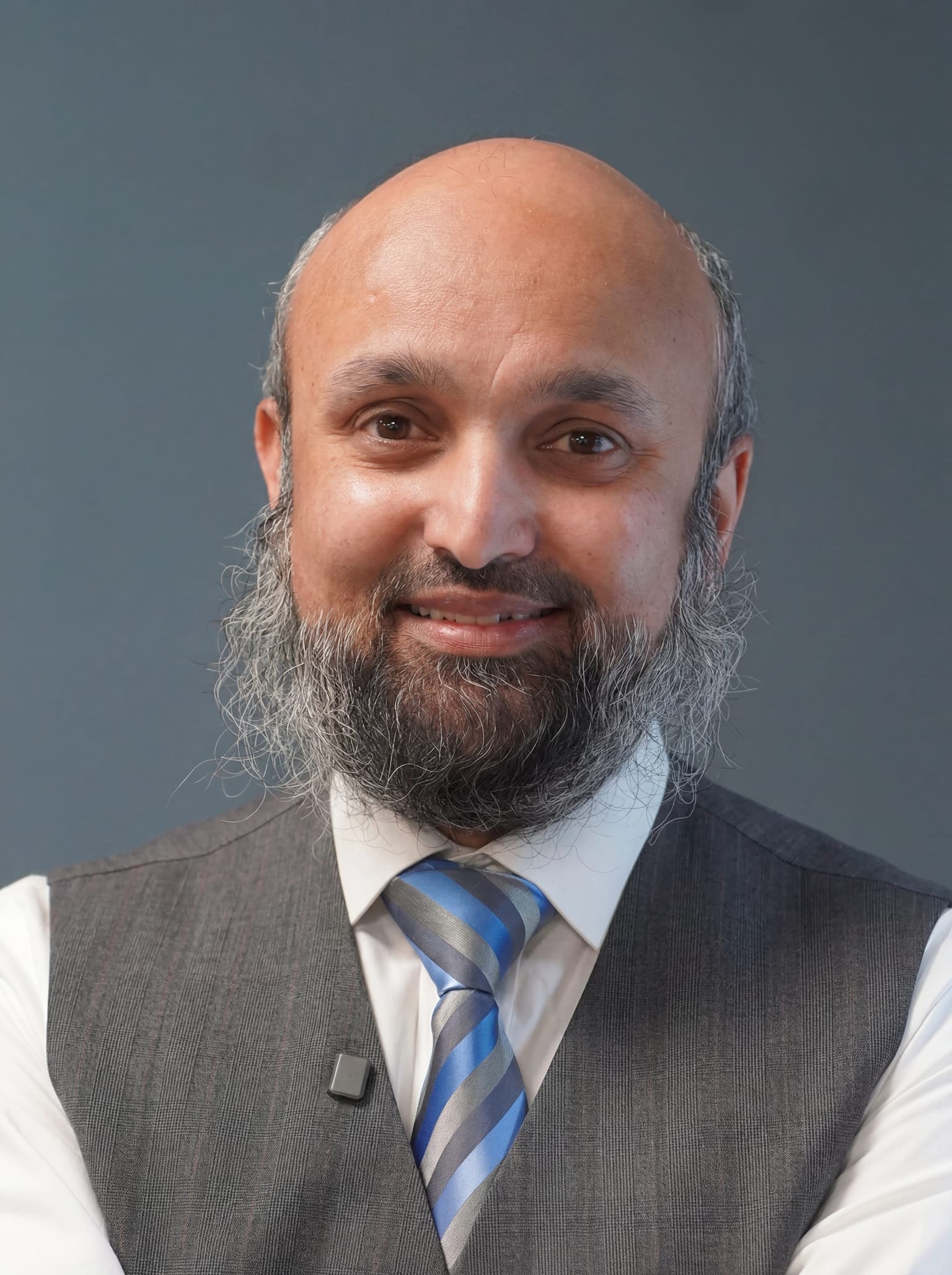
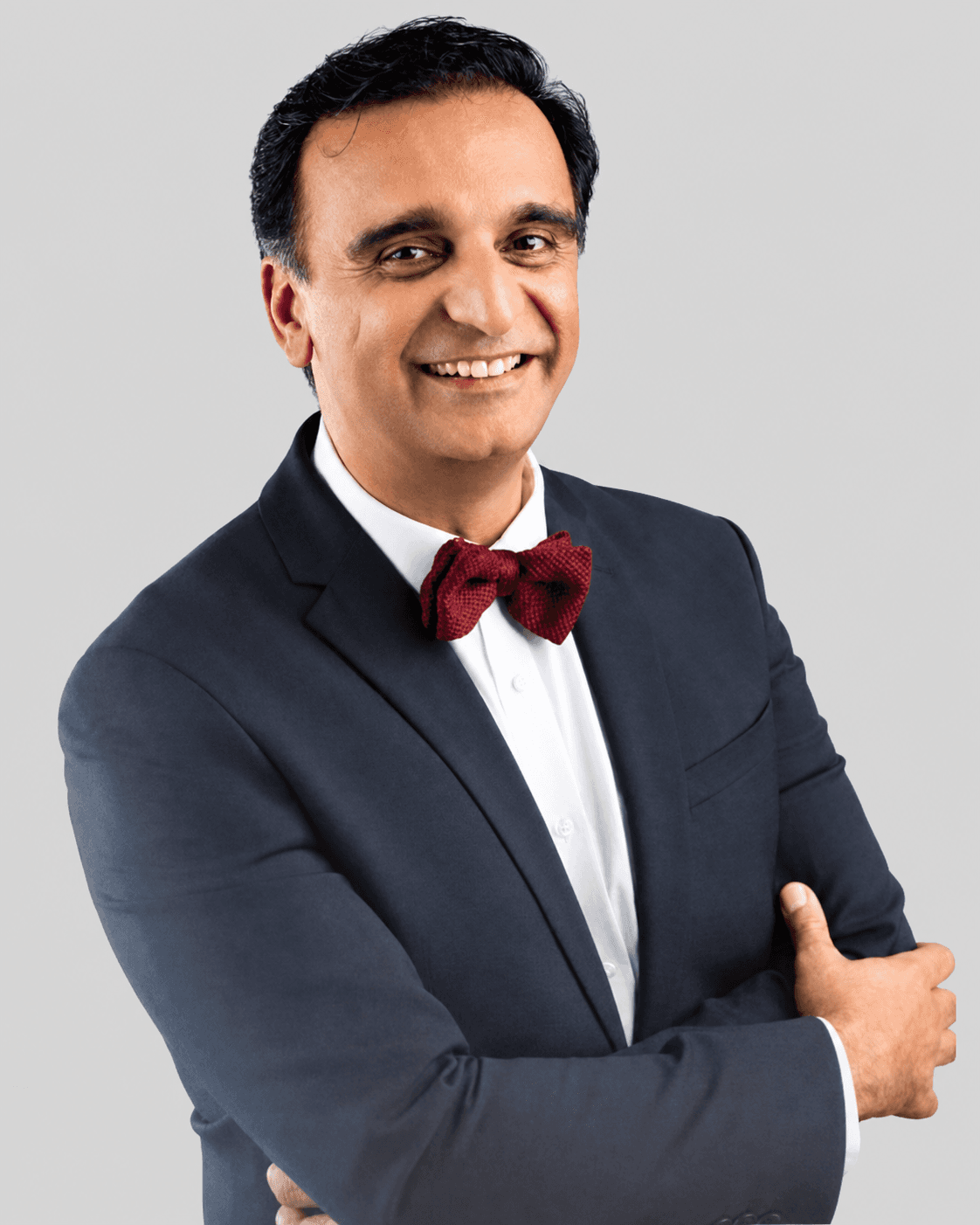
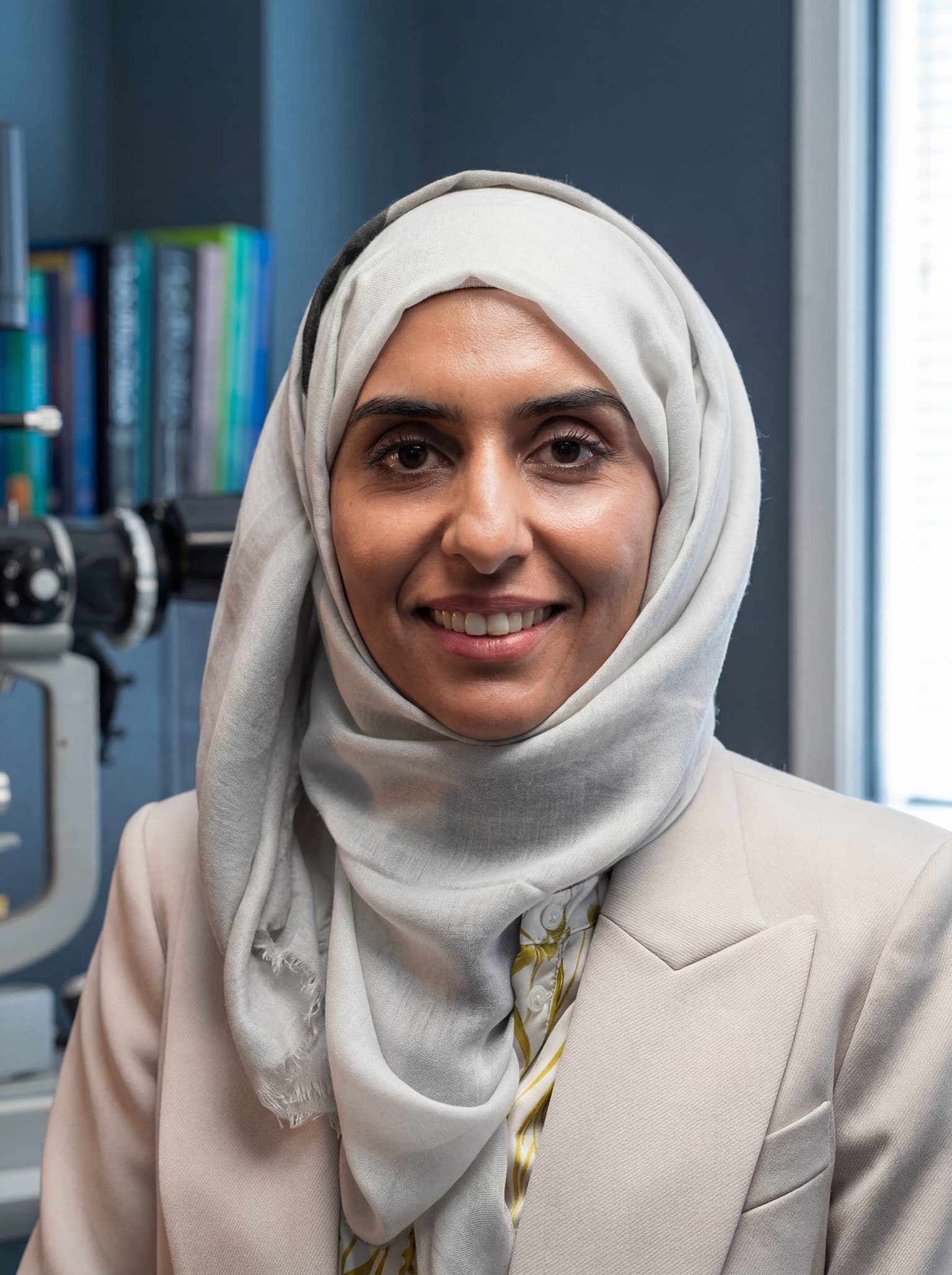
Meet the Team


Where to Find Us
Three convenient locations across West Yorkshire. Visit us for consultations, diagnostics, and treatments.
Bolton
136 – 140 Newport St
Bolton, Greater Manchester
BL3 6AB
Huddersfield
Woodlands, 4 Longbow Close
Huddersfield, HD2 1GQ
Book a Presbyopia Assessment
If you are over 40 and near work is becoming more difficult, or if off-the-shelf reading glasses are no longer enough, a specialist assessment at the Eye Doctor Clinic is the right next step. We can identify the most appropriate solution for your vision and lifestyle.