
Frequently Asked Questions
Everything you need to know about cataract surgery , from the procedure and lens options to recovery, cost, and what to expect. If your question isn't answered here, call our team on +44 1484 627779.
Affiliations & As Seen In









Read About Our Happy Patients
What a great experience! Very reassuring and I am very grateful for the consultation from Dr Musa he was so helpful in helping me make a decision to proceed to having eye correction surgery. I have the upmost confidence in him and the team at the Eye Doctor Clinic, Huddersfield.
Lozza 747I had implants with Dr Musa ten years ago. It was the best thing I've ever done. They are brilliant. My sight both near and distant was very poor but since the op I've had no glasses no lenses and my sight has been super. It remains really good to this day. Thank you Dr Musa. Brilliant consultations and treatment for glaucoma since.
Kay FitbitI can highly recommend the Eye Doctor Clinic, and I am so pleased I went there. Dr Musa, Gemma and Jess are lovely. They are very knowledgeable and were able to answer all my questions. My vision following surgery is great, and not having to wear glasses is fantastic.
Carol PeelThe Procedure
Cataract surgery removes the cloudy natural lens inside your eye and replaces it with a clear artificial intraocular lens (IOL). The most common technique is phacoemulsification , your surgeon creates a tiny incision at the edge of the cornea and uses ultrasound to break up and remove the cataract, then inserts a foldable replacement lens through the same micro-incision.
The procedure itself takes approximately 15–20 minutes per eye. Including preparation and recovery time, you should expect to be at the clinic for around 2–3 hours in total. It's performed as a day case , you go home the same day.
Yes. Cataract surgery is performed under local anaesthesia , numbing drops are applied to your eye, and you may receive a mild sedative to help you relax. You'll be awake and will experience at most mild discomfort, along with gentle pressure and movement of light. Your surgeon needs you to respond to light during the procedure so they know everything is progressing well.
The eye is completely numbed with anaesthetic drops before the procedure begins. Most patients describe feeling gentle pressure or a slight sensation of water, with at most mild discomfort. After surgery, your eye may feel slightly gritty or itchy for a few days, but this is easily managed with eye drops.
No, each eye is treated separately. Most patients have their first eye operated on, allow it to heal for 1–2 weeks, and then return for the second eye. This is standard practice to ensure the first eye is recovering well before treating the second.
Lens Options
A monofocal intraocular lens corrects vision at one fixed distance , typically set for far (distance) vision. Your distance vision will be greatly improved, though you'll likely still need reading glasses for close-up tasks. This is the same lens type used on the NHS and has decades of proven clinical evidence.
Premium lenses , including Tri-Focal (diffractive) and toric , offer vision at all distances and can correct astigmatism. They can dramatically reduce or eliminate your dependence on glasses after surgery. We use Zeiss Trifocal and Zeiss Toric lenses.
With a standard monofocal lens, you'll likely need reading glasses for close work. With a premium Tri-Focal lens, many patients achieve significant or complete freedom from glasses. Your consultant will discuss realistic expectations based on your specific eye measurements and lifestyle needs.
Your consultant will perform a comprehensive eye assessment including precise biometry measurements. Based on your eye anatomy, visual demands, lifestyle, and budget, they'll recommend the optimal lens type and power. There's no one-size-fits-all , the right lens is the one that best matches your individual needs.
Recovery & Aftercare
Many patients notice significantly improved vision within hours of surgery. While most see a marked improvement within 3–4 days, it can take up to 4–6 weeks for your vision to fully stabilise and for the eye to heal completely.
Most patients can drive within 24–48 hours after surgery, once their consultant confirms their vision meets DVLA driving standards. This is typically assessed at your first follow-up appointment, 1–2 days after the procedure. You must not drive on the day of surgery.
Most patients with office-based jobs can return to work within 2–3 days. If your job involves heavy lifting, dusty environments, or strenuous physical activity, you may need 1–2 weeks off. Your consultant will advise based on your specific situation.
You can shower the day after surgery, but you should avoid getting water, soap, or shampoo directly into your eye for at least one week. Tilt your head back when washing your hair and be careful to avoid splashing.
Light walking is fine from the day after surgery. You should avoid strenuous exercise, heavy lifting, and anything that significantly raises your heart rate for 2–3 weeks. Swimming should be avoided for 4–6 weeks, as pools, hot tubs, and open water carry bacteria that could cause infection.
Cost & Finance
Standard cataract surgery with a monofocal lens starts from £3,000 per eye. Premium surgery with Tri-Focal or toric lenses starts from £4,000 per eye. All prices are all-inclusive , covering your consultant's fees, the lens, the procedure, and all follow-up care.
Yes. We offer 0% interest-free finance to help you spread the cost over 10–12 months. This allows you to proceed with surgery when you're ready, without the financial pressure of paying everything upfront. Ask our team for details.
Many private health insurance policies cover cataract surgery, though the extent varies between providers. Standard monofocal lenses are more commonly covered; premium lens upgrades are often considered elective. Contact your insurer before your consultation, and our team can provide the documentation you need.
The NHS provides excellent cataract surgery free of charge, typically with a standard monofocal lens. Private surgery offers significantly shorter waiting times (weeks vs months), your choice of named consultant surgeon, access to premium lens options not available on the NHS, and a more personalised experience with dedicated one-to-one time.
Before Your Surgery
Your first consultation is a comprehensive assessment where your consultant examines your eyes using advanced diagnostic equipment. They'll discuss your vision goals, explain all available lens options, and answer every question. It's a platform to understand the procedure and decide whether it's right for you , with no obligation to proceed.
You may be asked not to eat solid food for 6 hours before surgery. Continue taking your regular medications unless advised otherwise. Arrange for someone to drive you home afterwards , you won't be able to drive on the day of surgery. Wear comfortable, loose clothing.
No. Once a cataract is removed, it cannot return. However, some patients develop posterior capsule opacity (PCO) months or years later , a clouding of the membrane behind the artificial lens. This is easily and painlessly treated with a YAG laser capsulotomy, a quick outpatient procedure taking just a few minutes.
Your Cataract Surgeons
Every cataract procedure at The Eye Doctor is performed by a named consultant surgeon with specialist training in premium lens surgery.

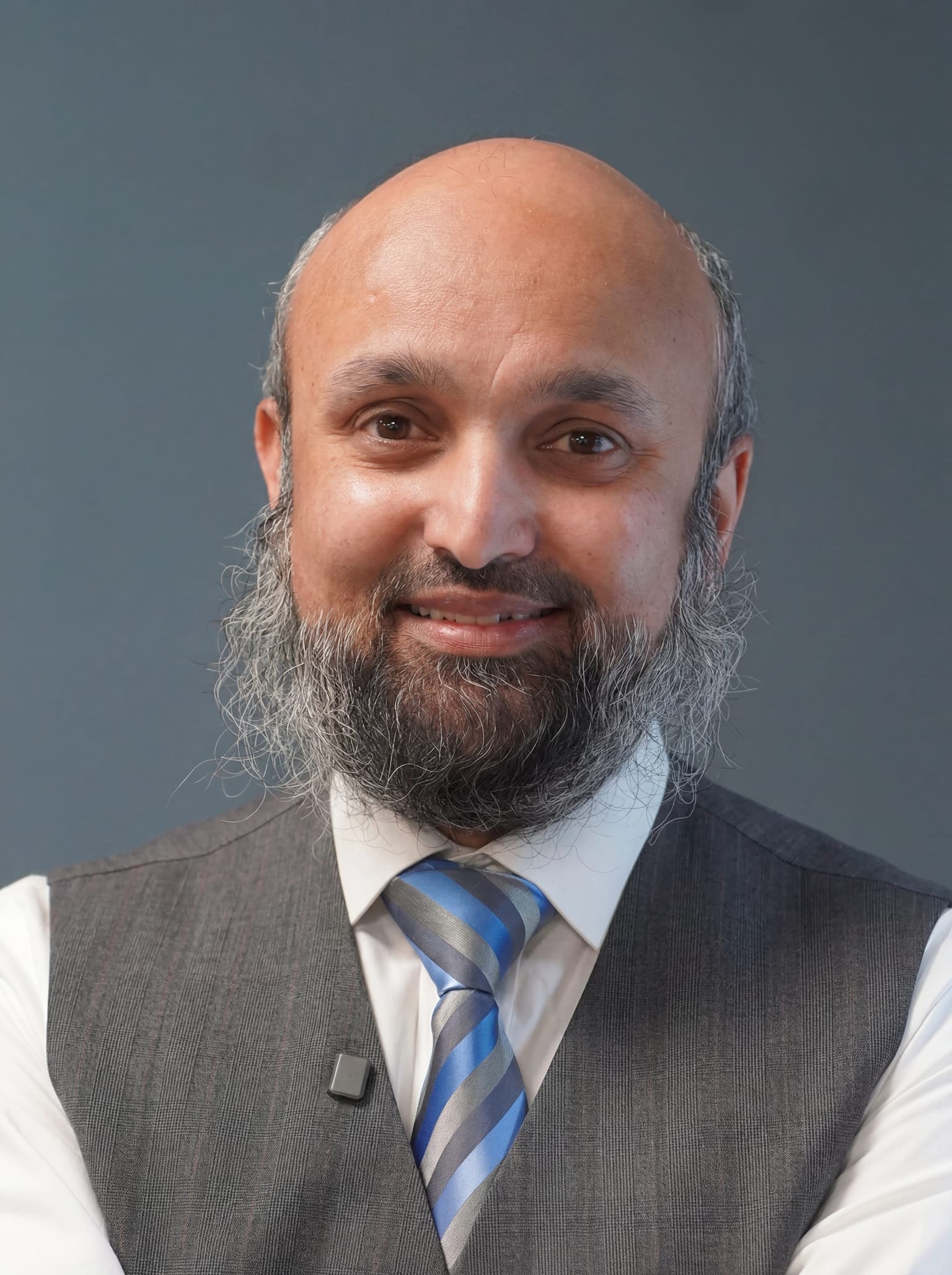
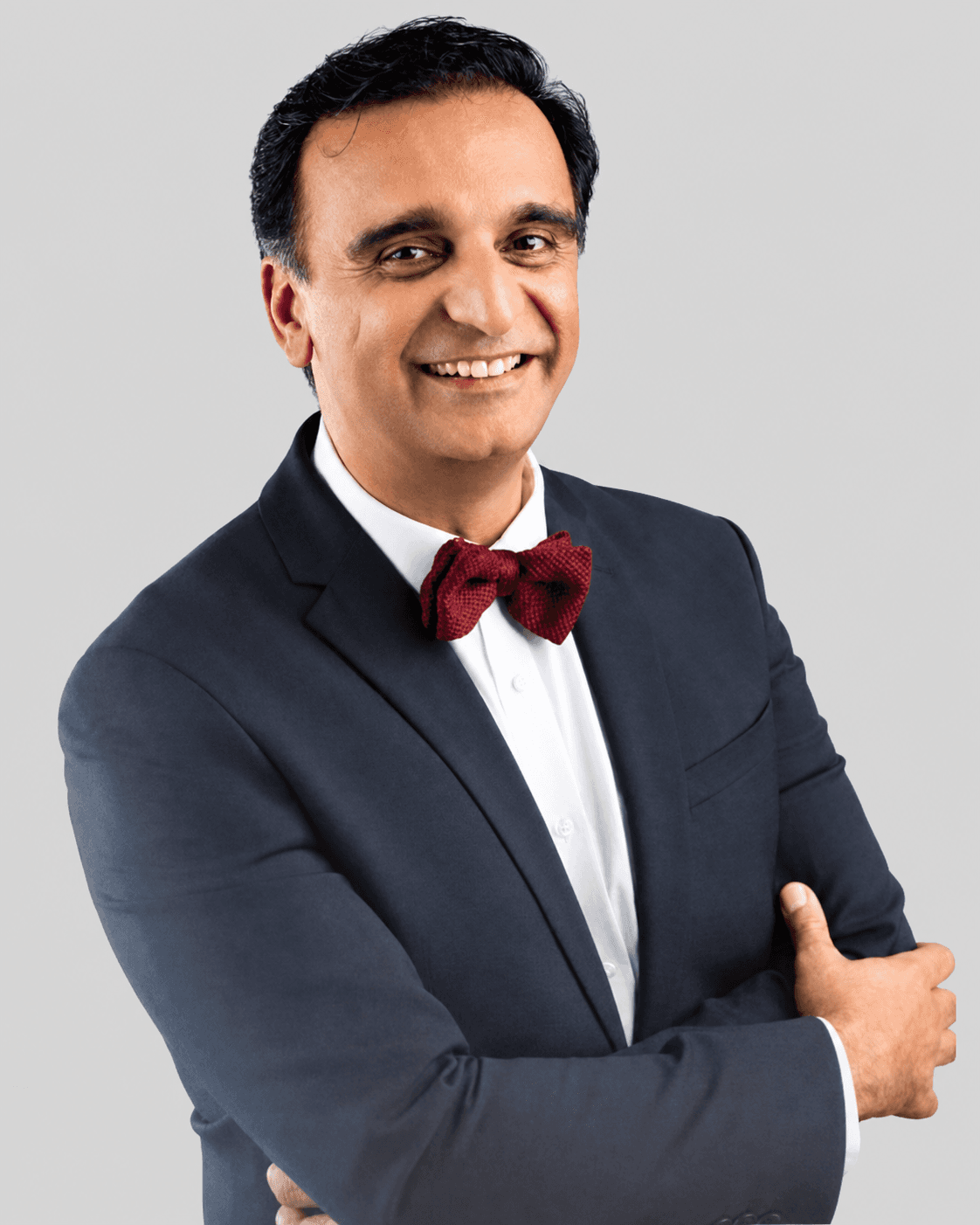
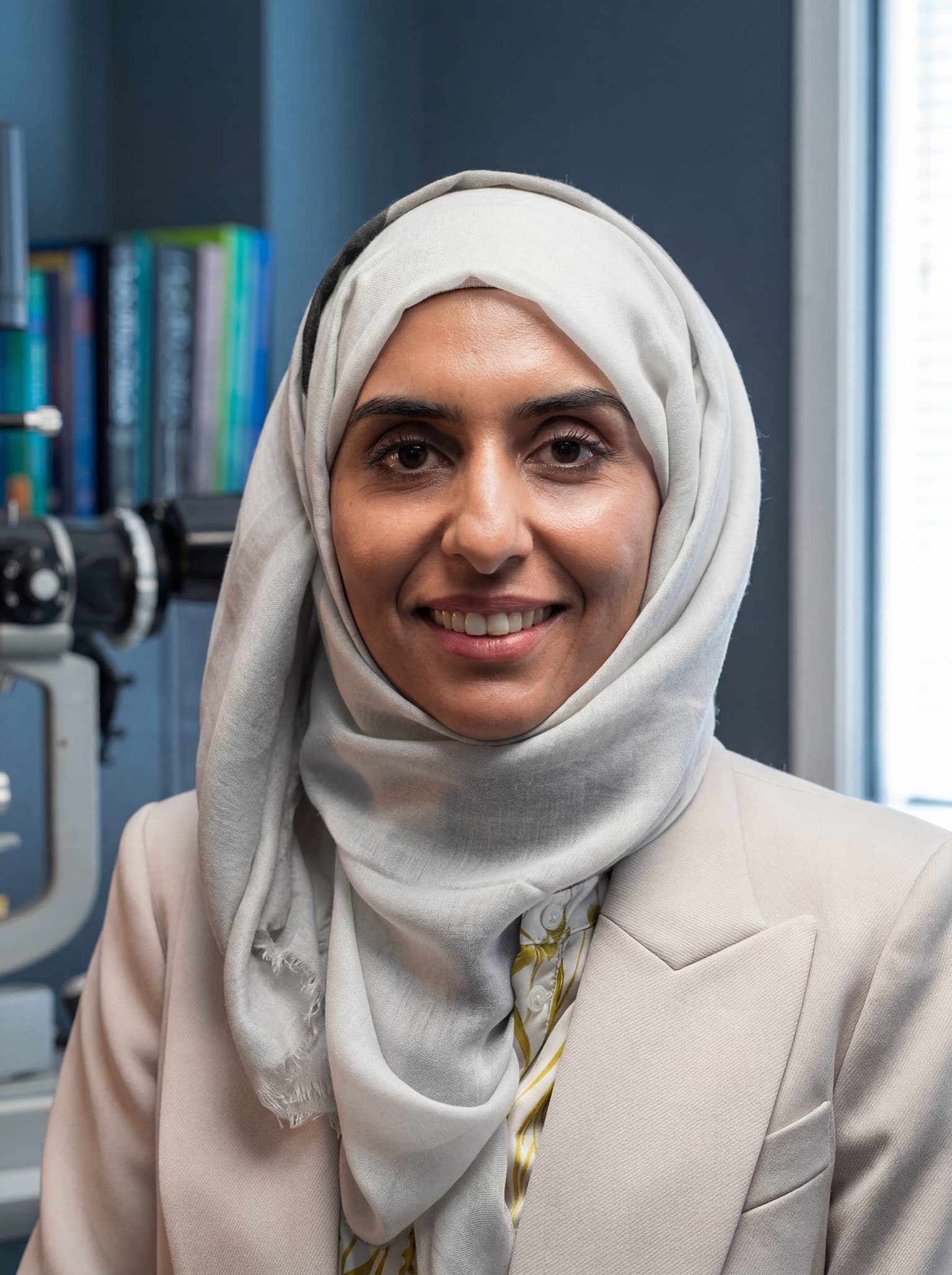
Mrs Indira Madgula
MS · DNB · FRCS (Glasgow) · FRCOphth (London)
Consultant Ophthalmic Surgeon
Mrs Madgula is a Consultant Ophthalmic Surgeon who, alongside her nationally recognised work in glaucoma, performs cataract surgery with premium lens implants. Patients benefit from her exceptional diagnostic precision, her meticulous surgical technique, and a genuine commitment to outstanding, personalised outcomes.

Dr Fayyaz Musa
MBChB (Edin) · FRCOphth (Lon) · CertLRS · PGDipCRS
Consultant Corneal, Cataract & Glaucoma Surgeon
Dr Musa is the founder of The Eye Doctor and a fellowship-trained anterior segment surgeon holding a Postgraduate Diploma in Cataract & Refractive Surgery. He has performed thousands of cataract procedures, from routine phacoemulsification to complex premium lens exchanges, and combines meticulous surgical technique with a warm, unhurried approach that puts patients fully at ease.
Meet the Team


Where to Find Us
Three convenient locations across West Yorkshire. Visit us for consultations, diagnostics, and treatments.
Bolton
136 – 140 Newport St
Bolton, Greater Manchester
BL3 6AB
Huddersfield
Woodlands, 4 Longbow Close
Huddersfield, HD2 1GQ
Still Have Questions?
Book a phone assessment with our team, or schedule a consultation with your named consultant. Call +44 1484 627779 or book online.