
Deep Sclerectomy
Non-Penetrating Glaucoma Surgery
A safer alternative to traditional trabeculectomy. Deep sclerectomy lowers eye pressure through a controlled, non-penetrating technique that avoids fully opening the eye , delivering comparable long-term results with significantly fewer complications.
Affiliations & As Seen In









Read About Our Happy Patients
What a great experience! Very reassuring and I am very grateful for the consultation from Dr Musa he was so helpful in helping me make a decision to proceed to having eye correction surgery. I have the upmost confidence in him and the team at the Eye Doctor Clinic, Huddersfield.
Lozza 747I had implants with Dr Musa ten years ago. It was the best thing I've ever done. They are brilliant. My sight both near and distant was very poor but since the op I've had no glasses no lenses and my sight has been super. It remains really good to this day. Thank you Dr Musa. Brilliant consultations and treatment for glaucoma since.
Kay FitbitI can highly recommend the Eye Doctor Clinic, and I am so pleased I went there. Dr Musa, Gemma and Jess are lovely. They are very knowledgeable and were able to answer all my questions. My vision following surgery is great, and not having to wear glasses is fantastic.
Carol PeelHow Deep Sclerectomy Works
In open-angle glaucoma, the trabecular meshwork and inner wall of Schlemm's canal , the eye's natural drainage structures , become resistant to fluid outflow, causing pressure to build. Deep sclerectomy directly addresses this by carefully removing these obstructive layers.
Your surgeon creates a superficial scleral flap, then meticulously dissects a deeper layer to expose and remove the inner wall of Schlemm's canal. A thin membrane (the trabeculo-Descemet's membrane) is intentionally left intact. This membrane allows fluid to seep through gradually and controllably , lowering pressure without the abrupt drop that occurs when the eye is fully opened in trabeculectomy.
A collagen implant is often placed within the surgical space to prevent scarring and maintain the drainage pathway. Anti-scarring agents may also be applied. If pressure rises later, a simple laser goniopuncture can create a tiny opening in the membrane to enhance flow , no further surgery required.
Deep Sclerectomy at a Glance
- Type: Non-penetrating filtration surgery
- Anaesthesia: Local (with optional sedation)
- Duration: 45–60 minutes
- Setting: Outpatient , same-day discharge
- Visual recovery: ~1 week to baseline
- IOP control: 60–70% drop-free at 5 years
- Enhancement: Laser goniopuncture if needed
- Surgeon: Fellowship-trained glaucoma specialist
The Procedure
Glaucoma Assessment
Your consultant performs a comprehensive evaluation , IOP measurement, OCT optic nerve scanning, visual field testing, gonioscopy, and corneal pachymetry , to determine if deep sclerectomy is the optimal surgical approach.
Anaesthesia
The procedure is typically performed under local anaesthesia. You will be comfortable and awake, with only mild discomfort expected. Sedation may be offered to help you relax.
Scleral Flap Creation
Your surgeon creates a superficial scleral flap over the drainage area of the eye, then carefully dissects a deeper layer to expose the wall of Schlemm's canal , the eye's natural drainage channel.
Non-Penetrating Dissection
The inner wall of Schlemm's canal and the adjacent tissue are meticulously removed, creating a new drainage pathway. Crucially, the eye is never fully opened , a thin membrane (trabeculo-Descemet's membrane) is left intact, controlling fluid outflow.
Implant & Closure
A collagen or other biocompatible implant may be placed to keep the drainage space open long-term. Anti-scarring agents may be applied. The scleral flap is sutured back into position.
Recovery & Follow-Up
You go home the same day. Anti-inflammatory and antibiotic drops are used for several weeks. Follow-up appointments monitor your pressure response. If needed, a quick laser procedure (goniopuncture) can be performed later to enhance drainage.
Key Advantages
Non-Penetrating Safety
The eye is never fully opened during surgery. This avoids the sudden pressure drop (hypotony) that can occur with trabeculectomy, dramatically reducing the risk of serious complications.
Significantly Fewer Complications
Studies show approximately 50% fewer postoperative complications compared to trabeculectomy. Flat anterior chamber, choroidal detachment, and hypotonic maculopathy are rare.
Comparable Long-Term Results
When augmented with anti-scarring agents and implants, deep sclerectomy achieves IOP control comparable to trabeculectomy at 2–5 years, with a much better safety profile.
Faster Visual Recovery
Vision typically returns to baseline within one week , compared to one month for trabeculectomy. The controlled, gradual pressure reduction minimises visual disruption.
Can Be Enhanced Later
If pressure rises over time, a simple YAG laser goniopuncture can be performed in clinic to boost drainage through the filtering membrane , without further surgery.
Suitable for Higher-Risk Patients
The controlled pressure reduction makes deep sclerectomy particularly suitable for patients with high myopia, uveitic glaucoma, or those at higher risk of complications from penetrating surgery.
Deep Sclerectomy vs Trabeculectomy
| Feature | Deep Sclerectomy | Trabeculectomy |
|---|---|---|
| Technique | Non-penetrating (eye not fully opened) | Full-thickness (eye opened) |
| Hypotony risk | Very low | Higher |
| Complication rate | ~11% | ~25% |
| IOP reduction | Slightly lower | Slightly higher |
| Visual recovery | ~1 week | ~1 month |
| Can be enhanced (goniopuncture) | Yes | No |
| Long-term outcome (with adjuncts) | Comparable | Comparable |
Deep Sclerectomy FAQs
Deep sclerectomy is a non-penetrating glaucoma surgery that lowers eye pressure by creating a new drainage pathway without fully opening the eye. By leaving a thin natural membrane intact, it allows controlled, gradual fluid outflow , avoiding the sudden pressure drops associated with traditional trabeculectomy.
Trabeculectomy creates a full-thickness opening into the eye, which is more effective at lowering pressure but carries higher risks (hypotony, flat anterior chamber, infection). Deep sclerectomy achieves comparable long-term results with significantly fewer complications because the eye wall is never fully penetrated.
Deep sclerectomy is indicated for primary and secondary open-angle glaucoma when eye drops or laser treatment have not adequately controlled pressure. It is particularly well-suited for patients at higher risk of complications from penetrating surgery, including those with high myopia or uveitic glaucoma.
The procedure is performed under local anaesthesia and most patients experience only mild discomfort, if any. Sedation may be offered to help you relax. Some discomfort in the days following surgery is normal and easily managed with drops.
Most patients find their vision returns to baseline within approximately one week. You can typically return to work within a few days to two weeks, depending on your job. Anti-inflammatory drops are used for several weeks. Follow-up visits are needed to monitor your pressure.
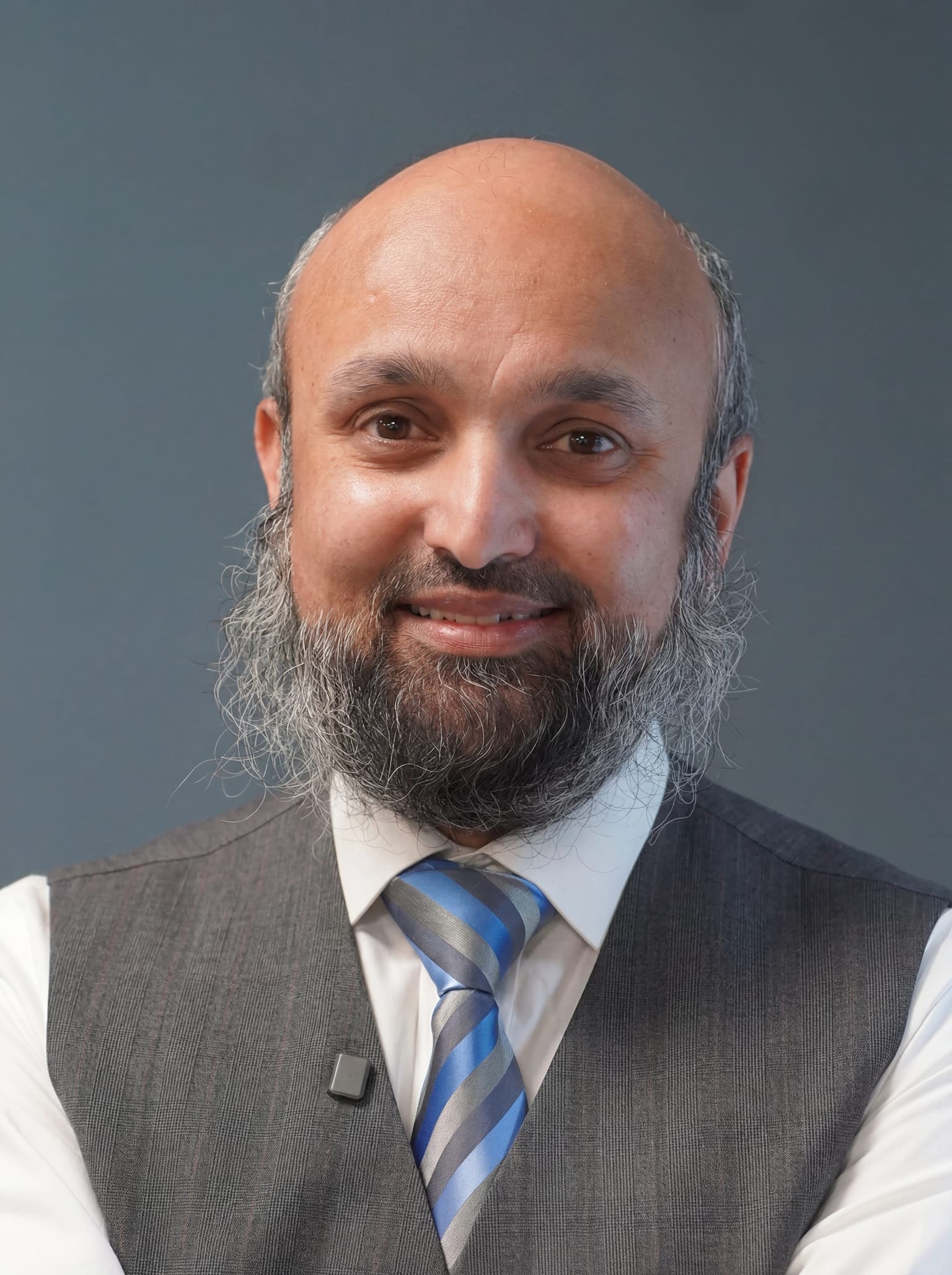
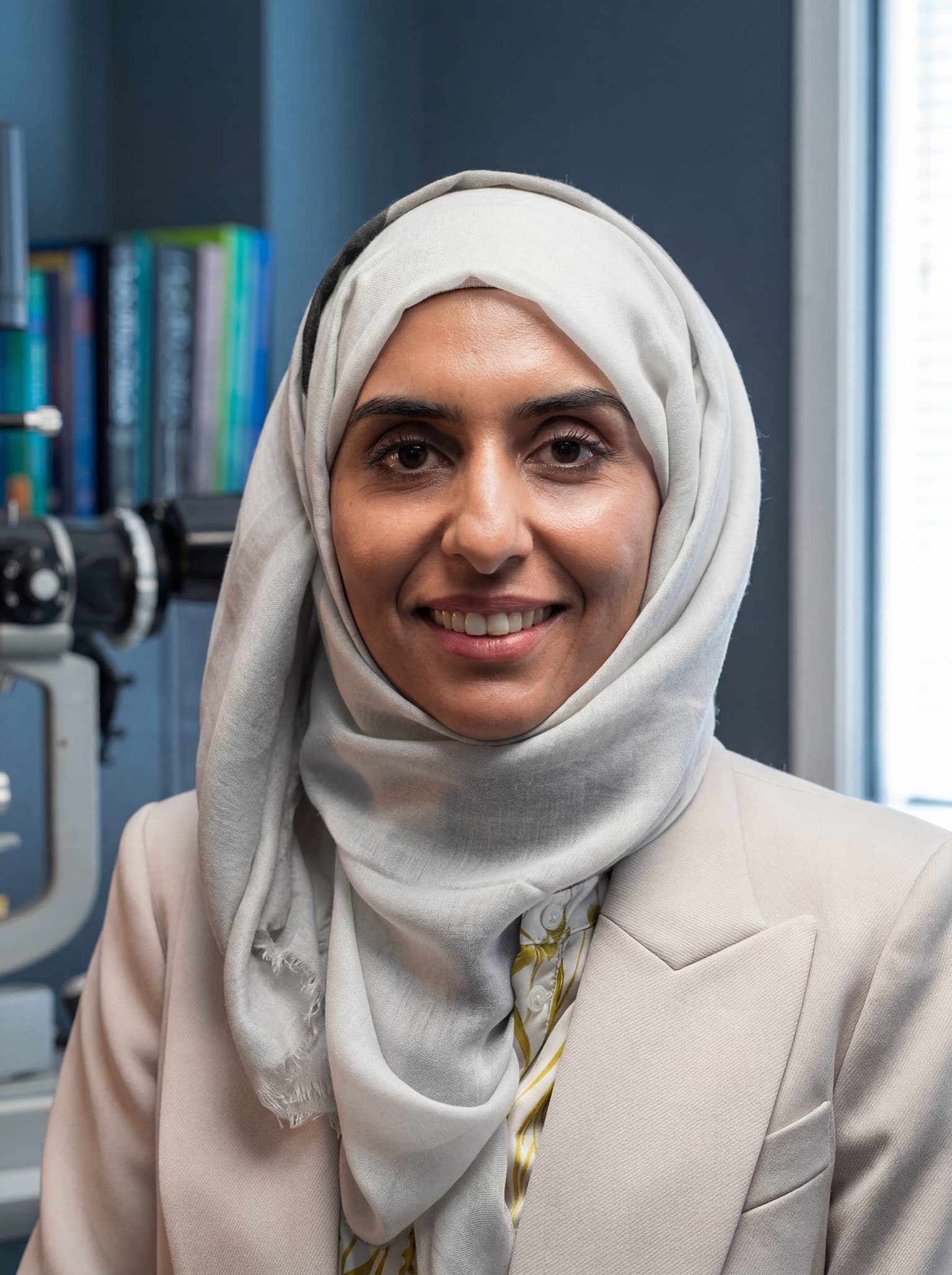
Mrs Indira Madgula
MS · DNB · FRCS (Glasgow) · FRCOphth (London)
Consultant Ophthalmic Surgeon & Glaucoma Specialist

Mrs Madgula is a Consultant Ophthalmic Surgeon and Glaucoma Specialist with an exceptional record in transforming glaucoma services, medical education, and international examining. Her pioneering work in shared care glaucoma received national recognition through a prestigious HSJ Award nomination, and she was the first trainee in the UK selected as an examiner for the Royal College of Ophthalmologists.
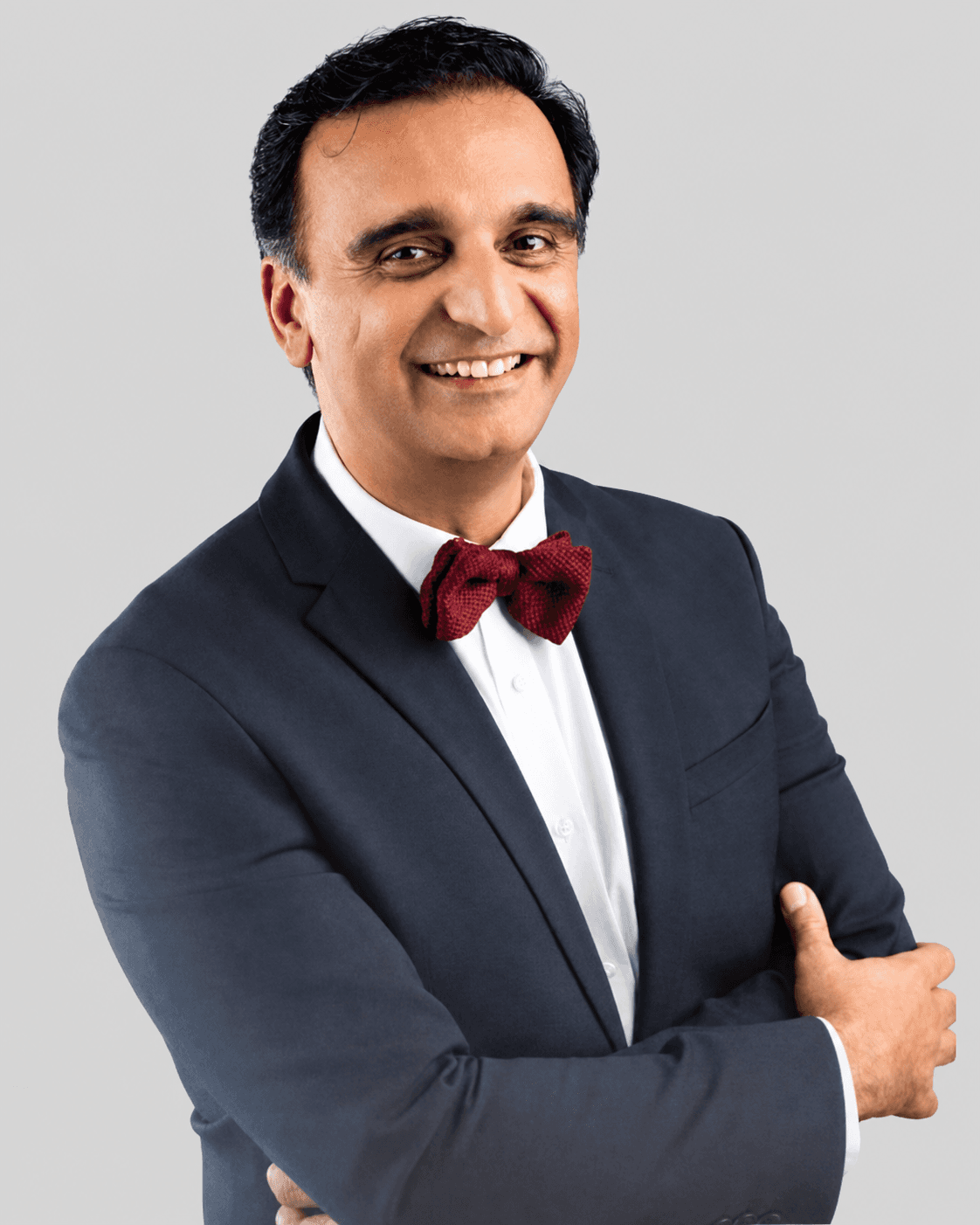
Dr Fayyaz Musa
MBChB (Edin) · FRCOphth (Lon) · CertLRS (RCOphth) · PGDipCRS
Founder & Consultant Corneal, Cataract & Glaucoma Surgeon

Dr Fayyaz Musa is the founder of The Eye Doctor Clinic and a recognised expert in anterior segment surgery. He is one of a small number of surgeons in the UK who holds dual fellowship training in both corneal disorders and glaucoma, and is the pioneer of DMEK surgery in the North of England. In cataract surgery, Dr Musa combines meticulous surgical technique with advanced biometry to deliver outstanding visual outcomes — including premium trifocal and toric lens implants for patients seeking full spectacle independence.
Meet the Team


Where to Find Us
Three convenient locations across West Yorkshire. Visit us for consultations, diagnostics, and treatments.
Bolton
136 – 140 Newport St
Bolton, Greater Manchester
BL3 6AB
Huddersfield
Woodlands, 4 Longbow Close
Huddersfield, HD2 1GQ
Is Deep Sclerectomy Right for You?
Book a consultation with our fellowship-trained glaucoma specialist to discuss your treatment options. Call +44 1484 627779 or book online.