

Vitreoretinal Surgery in Huddersfield
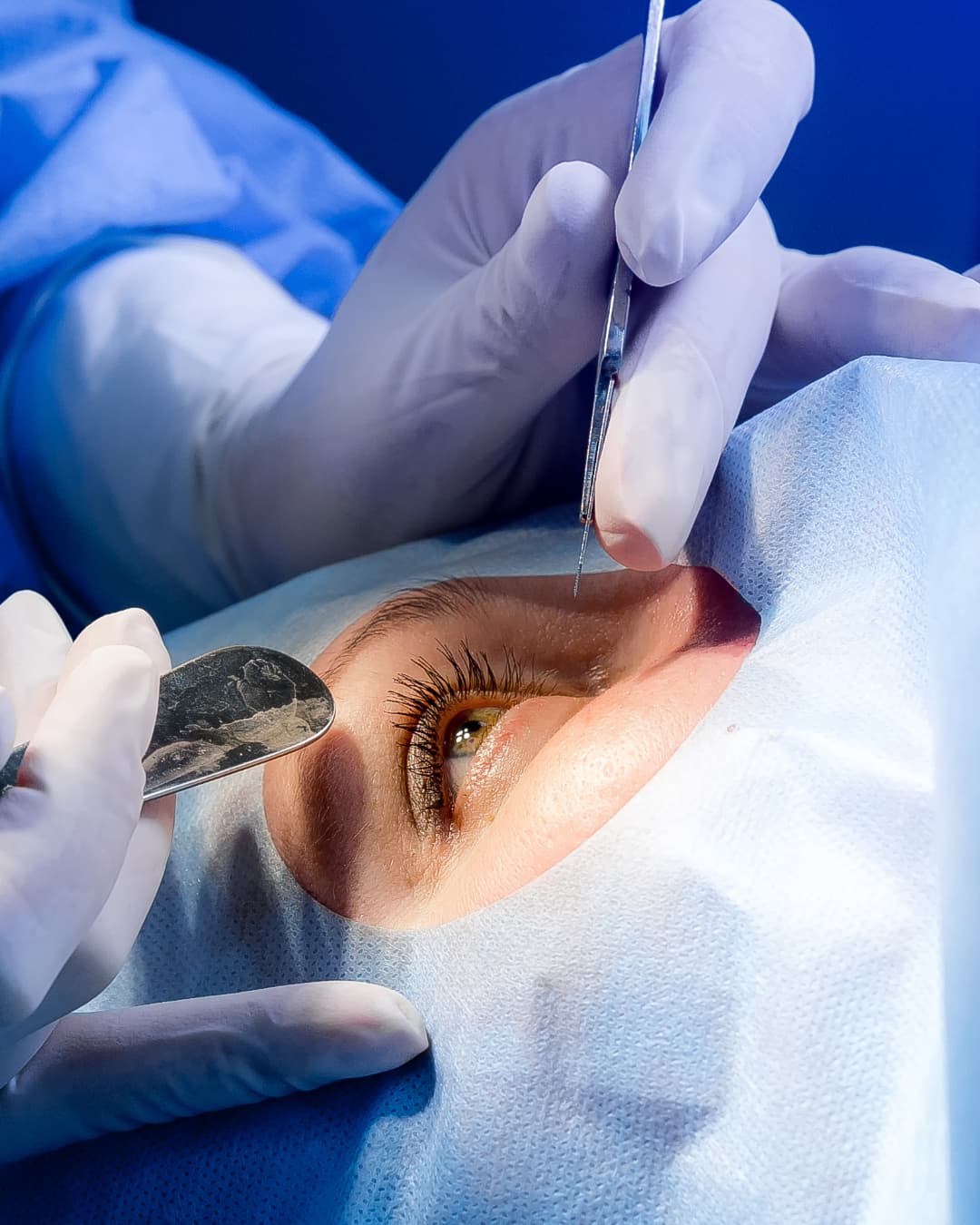
Vitreoretinal surgery is meant to treat serious eye conditions that affect your retina and vitreous. The procedure involves PPV, laser photocoagulation, and other techniques to treat macular holes, diabetic retinopathy, retinal detachment, and other conditions. Our expert uses a precise, minimal-intervention approach to restore your vision and safely prevent permanent sight loss.
Affiliations & As Seen In









Read About Our Happy Patients
What a great experience! Very reassuring and I am very grateful for the consultation from Dr Musa he was so helpful in helping me make a decision to proceed to having eye correction surgery. I have the upmost confidence in him and the team at the Eye Doctor Clinic, Huddersfield.
Lozza 747I had implants with Dr Musa ten years ago. It was the best thing I've ever done. They are brilliant. My sight both near and distant was very poor but since the op I've had no glasses no lenses and my sight has been super. It remains really good to this day. Thank you Dr Musa. Brilliant consultations and treatment for glaucoma since.
Kay FitbitI can highly recommend the Eye Doctor Clinic, and I am so pleased I went there. Dr Musa, Gemma and Jess are lovely. They are very knowledgeable and were able to answer all my questions. My vision following surgery is great, and not having to wear glasses is fantastic.
Carol PeelWhat is Vitreoretinal Surgery?
Vitreoretinal surgery is a highly delicate and advanced procedure that targets the retina (the light-sensitive layer at the back of the eye) and the vitreous (the clear gel filling the eye).
When conditions like a retinal tear or bleeding damage these areas, your vision becomes distorted or completely blocked. Vitreoretinal eye surgery removes the damaged gel or scar tissue to repair the delicate retina.
Our expert follows a simple philosophy. Minimum intervention needed to achieve the best possible result! This restores your sight and safeguards your long-term eye health.
Procedure Video
Coming SoonVitreoretinal Surgery at a Glance
Procedure Time
30 to 90 minutes
per eye
Anaesthetic
Local with mild sedation
Patient comfort is our priority.
Downtime
7–14 days
Face-down positioning may be required
Back to Work
2–4 weeks
Normal activity. 4–6 weeks for heavy activity.
Results Duration
Permanent
Lasting retinal repair.
Treatment Cost
Contact us
for specialist pricing.
Why Choose Vitreoretinal Surgery?
The patient will need the vitreoretinal surgery procedure when struggling with these conditions:
Our expert will carefully assess your eyes to confirm if you need immediate surgical intervention.
Benefits of Vitreoretinal Surgery
Permanently repair a detached retina to prevent severe vision loss.
Clear persistent blood and cloudy gel to restore sharp focus.
Seal retinal tears early to protect your long-term eye health.
Correct macular holes to improve your central vision for reading.
Manage complex diabetic eye disease effectively and safely.
Safe procedure performed by an experienced, fellowship-trained specialist.
How Does Vitreoretinal Surgery Work?
The main procedure is known as a vitrectomy. After numbing your eye using anaesthesia, our ophthalmologist makes a microscopic incision to access the back of your eye. The cloudy vitreous gel, blood, or scar tissue that is tearing your retina or causing poor vision is carefully removed using advanced, tiny instruments.
Depending on your condition, the surgeon may use a precise laser to seal tears or inject a gas bubble to hold the retina in place while it heals. The approach ensures your retina is beautifully repaired with minimal disruption.
Vitreoretinal Surgery Options
Vitreoretinal Surgery Consultation Process
We believe in a transparent, no-pressure approach. Your journey is designed to be as clear and supported as the vision we work to restore.
The Phone Assessment
Your journey begins with a relaxed conversation. We listen to your symptoms, explain your options in plain English, and determine your urgency for treatment.
The Clinical Consultation
You will meet your consultant for a comprehensive eye exam. We use advanced diagnostic technology, including OCT scans, to accurately map your retina and determine the exact surgical approach required.
Your Treatment Day
The procedure takes 30 to 90 minutes. We use numbing drops and mild sedation to ensure you are completely comfortable during the precise retinal repairs.
Aftercare
Your recovery is our priority. You will receive a clear care plan, including specific positioning instructions if a gas bubble was used, along with ongoing follow-up support.
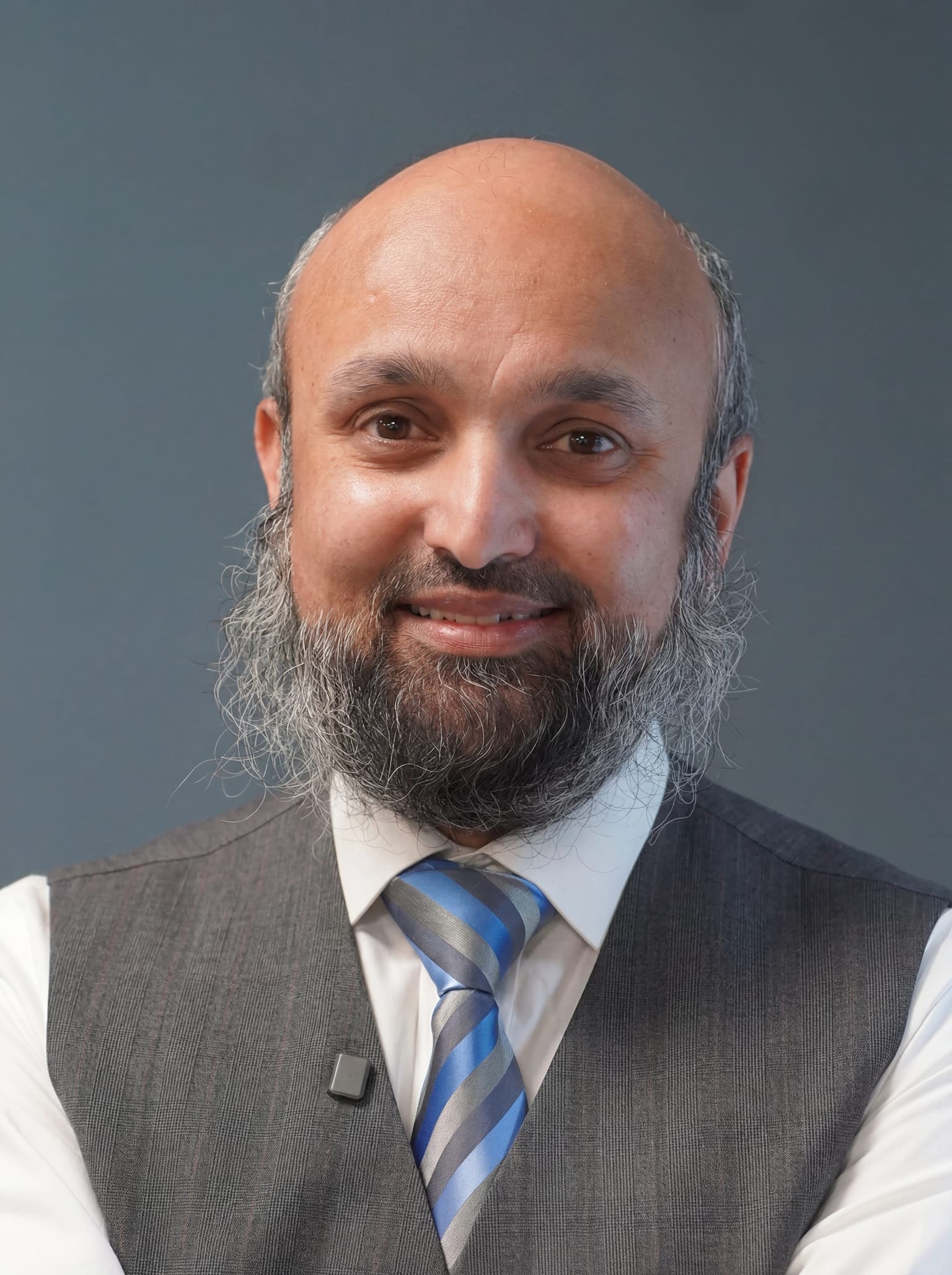
Mr Murtuza Mookhtiar
MBChB · FRCOphth
Consultant Ophthalmic Surgeon, Cataract & Retinal Specialist
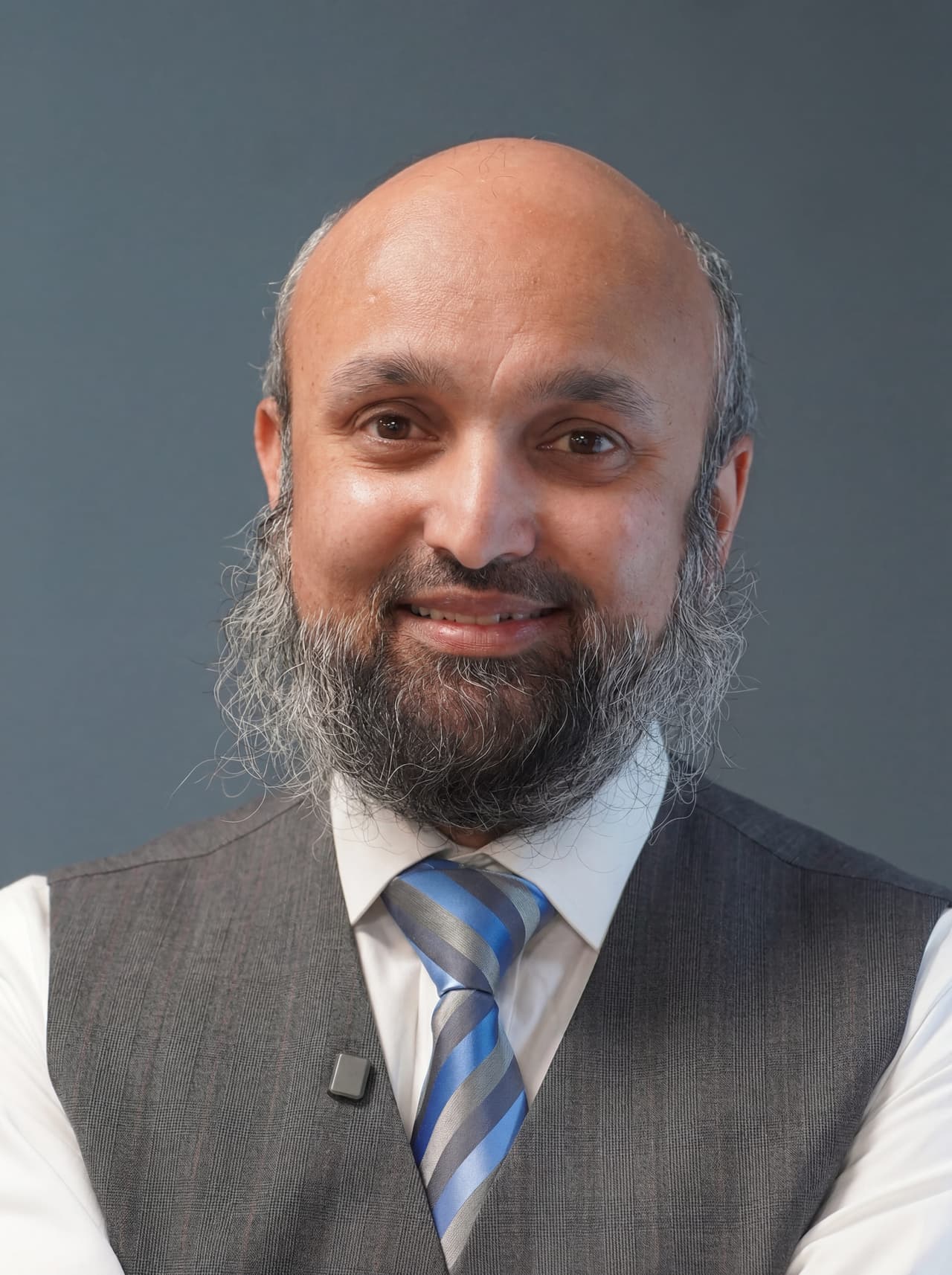
Mr Murtuza Mookhtiar is a Consultant Ophthalmic Surgeon with a specialist interest in vitreoretinal surgery and cataract surgery. He manages a wide range of complex retinal conditions including retinal detachment, epiretinal membrane, macular hole, and vitreous floaters. Mr Mookhtiar combines precise surgical technique with a compassionate approach, ensuring patients receive the highest standard of care throughout their treatment journey.
Mrs Farhat Butt
MBChB · FRCOphth
Consultant Ophthalmologist, Medical Retina & Uveitis

Mrs Farhat Butt is a Consultant Ophthalmologist specialising in medical retina and uveitis. She has extensive experience in the diagnosis and management of sight-threatening conditions including wet age-related macular degeneration, diabetic macular oedema, retinal vein occlusion, and complex uveitis. Mrs Butt is highly experienced in intravitreal injection therapy and provides expert, patient-centred care for some of the most challenging retinal and inflammatory eye conditions.
Meet the Team




Frequently Asked Questions
While generally highly successful, like all operations, it carries minor risks such as infection, bleeding, or early cataract formation. Our fellowship-trained team provides meticulous care to keep these risks incredibly low.
Yes. Vision typically improves over weeks to months, depending on the severity of your original retinal condition before the surgery.
Basic activities can often resume in 2 to 4 weeks, but full visual recovery and complete healing of the eye can take several months. Patience is essential during this period.
If a gas bubble is used to hold your retina in place, you may be required to maintain a strict face-down position for 1 to 2 weeks to ensure proper healing.
Leaving severe conditions like a detached retina, continuous vitreous bleeding, or a macular hole untreated usually leads to permanent, irreversible vision loss.
Where to Find Us
Three convenient locations across West Yorkshire. Visit us for consultations, diagnostics, and treatments.
Bolton
136 – 140 Newport St
Bolton, Greater Manchester
BL3 6AB
Huddersfield
Woodlands, 4 Longbow Close
Huddersfield, HD2 1GQ
Preserve Your Vision With Expert Vitreoretinal Surgery UK!
Consult Dr Fayyaz Musa for a tailored, highly specialised treatment plan. Don't wait when it comes to your retinal health. Experience world-class clinical care and protect your precious eyesight today.